Heat Network
A Community Focused Rewrite for Tendring
Across the UK, communities are beginning to embrace cleaner, more affordable ways to heat their homes and businesses — and the latest developments in Wales show just how transformative this shift can be.
The UK Government has expanded the Green Heat Network Fund (GHNF) to Wales, opening the door for households and businesses there to benefit from low‑cost, low‑carbon heat networks. These systems use clean, homegrown energy instead of expensive fossil fuels, helping protect people from global price shocks and strengthening local energy resilience.
This expansion will see £195 million a year invested in heat network projects across England and Wales for the rest of the decade. Thousands of homes will gain access to cleaner heating, and hundreds of new green jobs will be created — from engineers and architects to construction specialists working on the heating systems of the future.
Wales is already mapping out priority areas and aligning heat network plans with local ambitions. This mirrors the kind of community‑driven approach that Tendring Community Energy is championing here at home: local solutions, local benefits, and local ownership of the transition to cleaner energy.
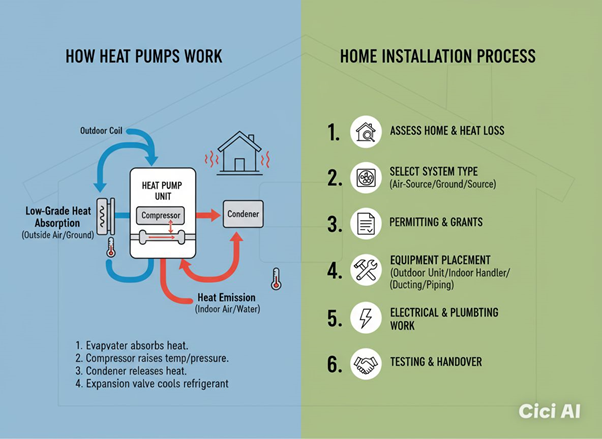
Heat networks themselves are simple but powerful. Instead of each building relying on its own boiler, a heat network supplies multiple homes and businesses from a central, efficient source — such as heat pumps or recovered heat from data centres, factories, or even sewage systems. More than 500,000 customers across Britain already use them, and new consumer protections now ensure fair pricing and reliable service, with Ofgem regulating the sector.
Leaders across Wales have highlighted how essential it is to reduce reliance on fossil fuels and strengthen energy security. They’ve also emphasised the benefits for households: lower bills, more stable prices, and access to modern, efficient heating.
For Tendring, this national momentum is a powerful signal. It shows what’s possible when communities, governments, and local organisations work together to build a cleaner, more resilient energy future. Tendring Community Energy is on a similar journey — exploring solar, wind, geothermal, energy‑efficiency projects, and community‑owned solutions that keep costs down and benefits local.
As Wales moves forward with its heat network ambitions, it offers a clear example of how places like Tendring can shape their own path: one built on innovation, community involvement, and a shared commitment to a brighter, cleaner future..
HOW DOES THIS SAVE MONEY.
o Heat networks provide heating from a central low-carbon source (e.g. heat pumps, waste heat from industry or data centres).
o Because they rely less on gas and imported fuels, households are:
o Less exposed to volatile fossil fuel prices
o Able to access lower-cost, more stable heating
o The government says households could see bill reductions of up to about £117 in some cases.
WIDER BENEFITS
- Energy security: Uses locally generated or recovered heat instead of imported fuels.
- Lower carbon emissions: Supports the UK’s net-zero goals..
- Jobs: Expected to create hundreds of roles in engineering, construction, and design across Tendring.
- Consumer protection: Heat networks are now regulated by Ofgem, with safeguards against unfair pricing and poor service.
IN SIMPLE TERMS
Instead of each home having its own boiler, a heat network supplies multiple buildings from one efficient system—cutting costs and making bills more predictable.
Want to Learn More?
Get in touch with us to find out how you can get involved with Tendring Community Energy.
Contact Us