Zero Carbon Solution
Zero Carbon
Energy Solutions
Discover cleaner technologies that can generate energy, reduce carbon emissions and help build a more resilient energy future for homes, businesses and communities across Tendring.
Technology for a lower-carbon future
There is no single solution that is right for every property or community. From generating electricity on a rooftop to capturing heat from the air, modern renewable technologies provide different ways to reduce our dependence on fossil fuels.
Solar & Batteries
Generate electricity from daylight and store surplus energy for when you need it.
Explore →Wind Energy
Capture the natural power of the wind to produce renewable electricity.
Explore →Heat Pumps
Use naturally occurring heat from the environment to warm buildings efficiently.
Explore →Agrivoltaics
Combine renewable electricity generation with productive agricultural land.
Explore →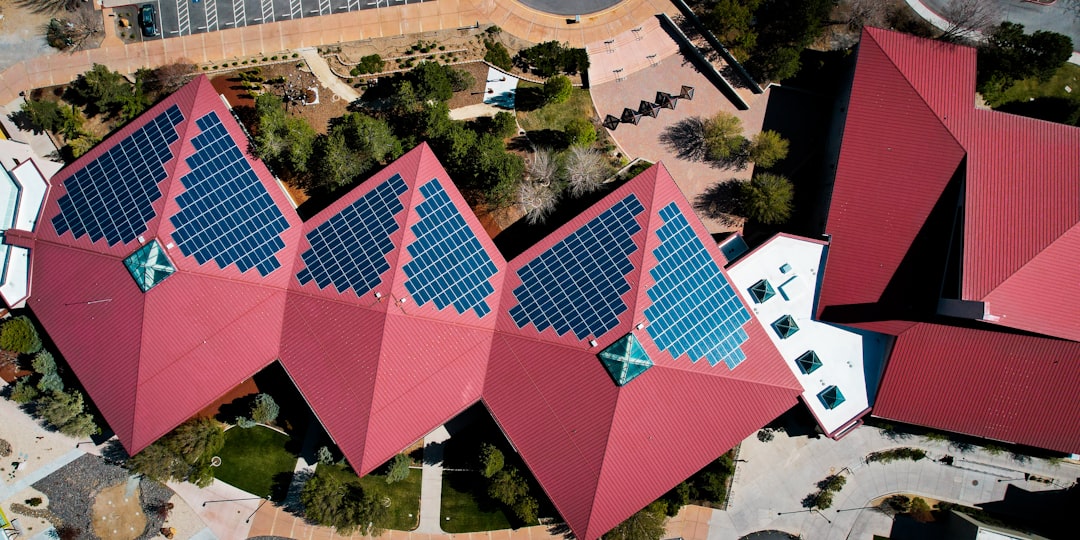
Solar Power & Battery Storage
Solar photovoltaic (PV) panels turn daylight into electricity that can be used directly in your home, business or community building.
When your panels produce more electricity than you are using, that surplus can be exported to the electricity grid or, where a suitable battery is installed, stored for use later.
Wind Energy
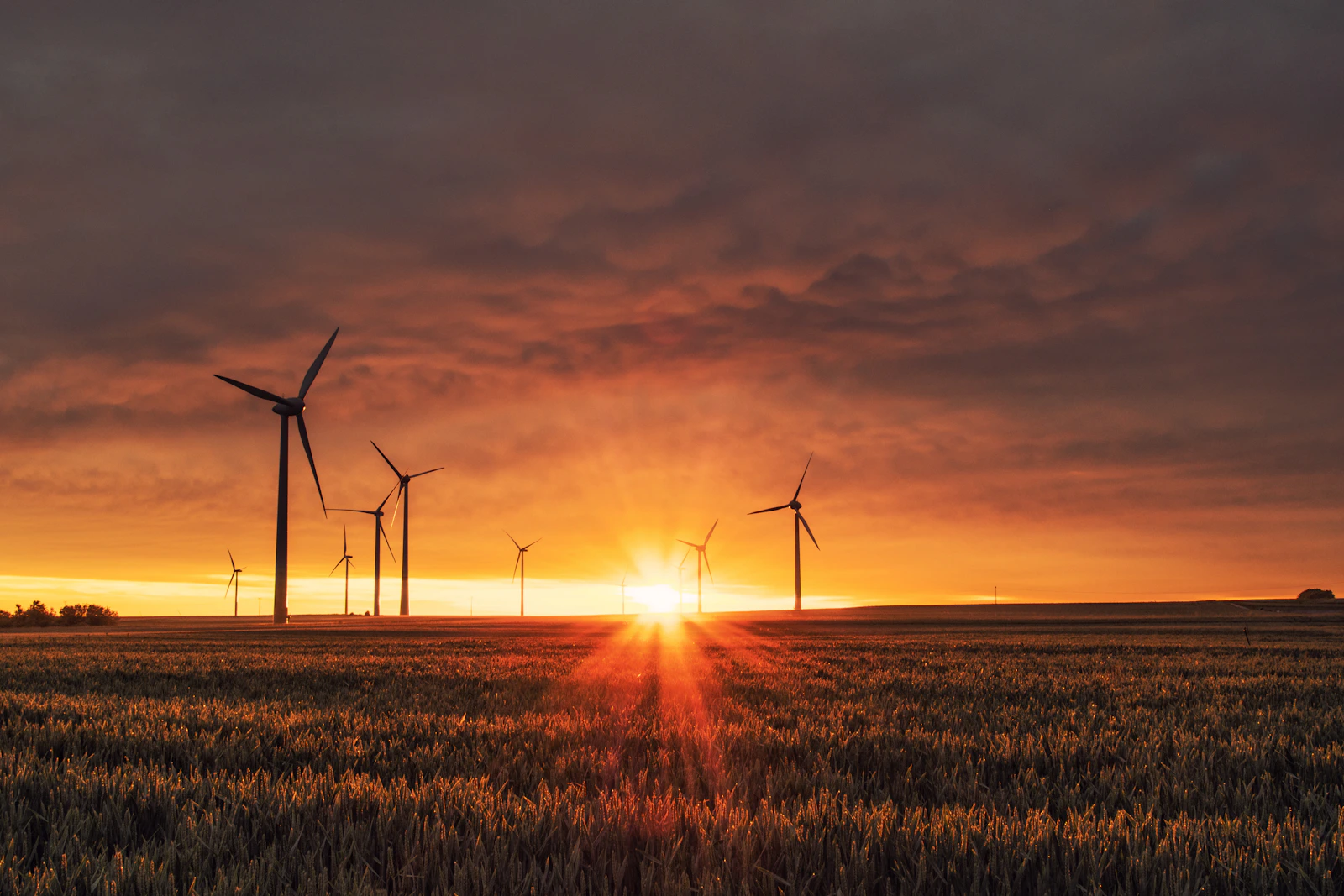
Wind turbines capture the movement of air and convert it into electricity using a generator.
Large turbines can generate substantial amounts of renewable electricity for the national grid, while appropriately located smaller turbines can also provide generation for farms, businesses and community projects.
Tendring’s coastal location means offshore wind is already an important and highly visible part of the region’s transition towards renewable electricity.

Heat Pumps
Heat pumps provide heating by moving naturally occurring heat from outside a building to the inside rather than creating heat by burning fuel.
A heat pump collects low-level heat from the air, ground or water and uses a compressor to raise its temperature. The resulting heat can then be used for space heating and, depending on the system, hot water.
Three main types of heat pump
The most appropriate system depends on the property, available space, heating system and local conditions.
Air Source
Extracts heat from the outside air. This is the type most commonly considered for existing UK homes.
Ground Source
Uses pipes installed underground to collect heat naturally stored in the ground.
Water Source
Uses heat available from an appropriate nearby body of water where site conditions allow.
Agrivoltaics
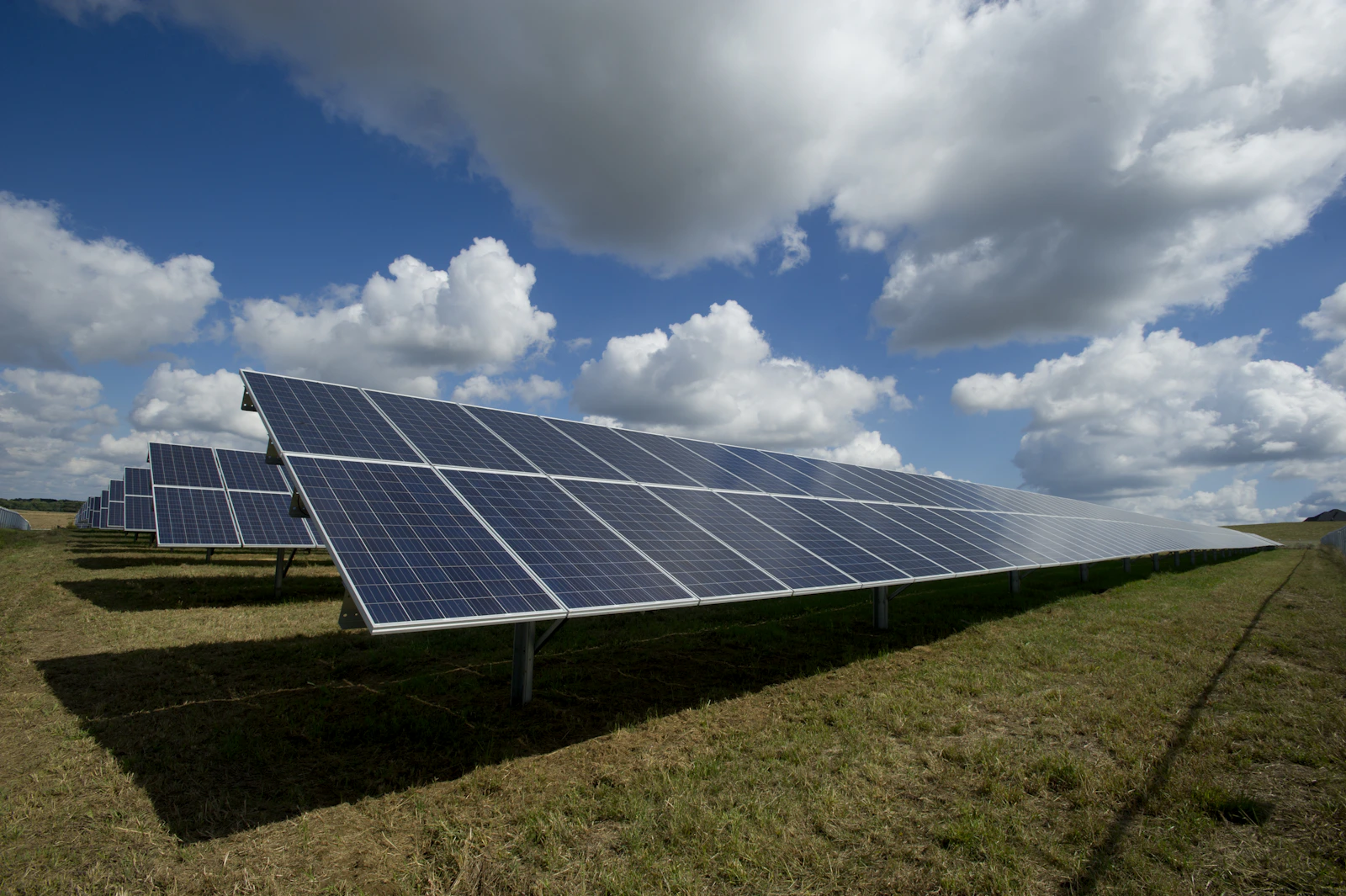
Agrivoltaics combines agricultural activity and solar electricity generation on the same land.
Solar panels can be positioned or spaced so that farming can continue beneath or between them. Depending on the design, land may continue to support crops, biodiversity or grazing animals while also producing renewable power.
For rural communities such as those across Tendring, approaches like this demonstrate how food production, land management and clean energy do not always have to compete with one another.
The right solution depends on your property
Renewable technology is not one-size-fits-all. Installation cost, energy use, building construction, roof orientation, insulation, heating systems, tariffs and available space can all affect which solution is appropriate. Independent advice and a professional assessment are important before making a major investment.
Continue your energy journey
Thinking about renewable energy?
You don’t have to work through the options alone. Tendring Community Energy can help residents, businesses and community organisations understand energy efficiency and renewable technologies and consider the next steps.